Bug and Garden Coloring Pages
These free bug and garden coloring pages bring friendly ladybugs, buzzing bees, butterflies, snails and blooming flowers to kids ages 3 to 10. Little ones can start with big, simple critters, while older kids can fill in busy vegetable gardens and meadow scenes. Every page works for spring lessons, nature walks or a quiet afternoon, and you can print them at home or color them online right in your browser.
-
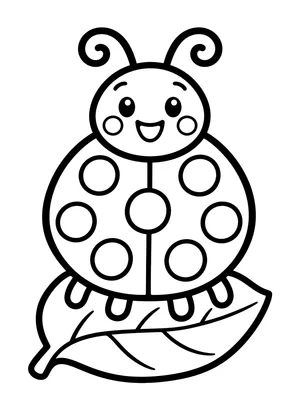 Ladybug on a Leaf
Easy · ages 3–5
-
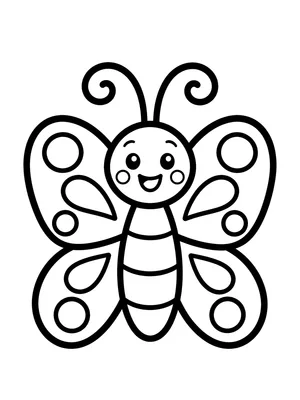 Butterfly Spreading Its Wings
Easy · ages 3–5
-
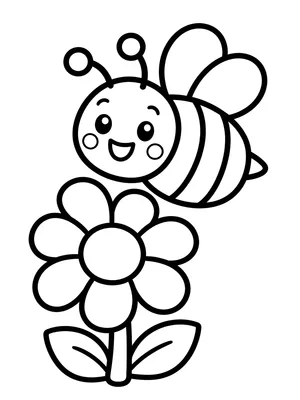 Happy Bee Visiting a Daisy
Easy · ages 3–5
-
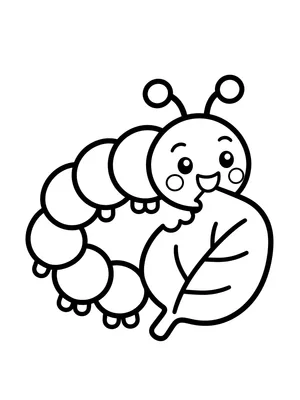 Caterpillar Munching a Leaf
Easy · ages 3–5
-
 Smiling Snail by a Mushroom
Easy · ages 3–5
-
 Tulips in a Flower Pot
Easy · ages 3–5
-
 Watering Can Sprinkling Flowers
Medium · ages 5–8
-
 Busy Bees by the Beehive
Medium · ages 5–8
-
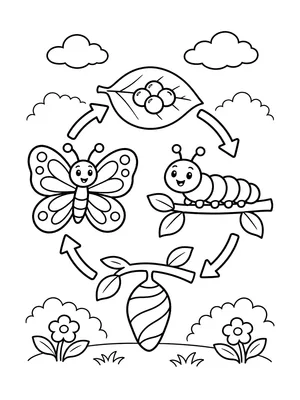 Butterfly Life Cycle
Medium · ages 5–8
-
 Ladybug Picnic on a Mushroom
Medium · ages 5–8
-
 Snail Under a Leaf Umbrella
Medium · ages 5–8
-
 Bunny in the Vegetable Garden
Detailed · ages 8+
-
 Cozy Garden Shed with Flower Beds
Detailed · ages 8+
-
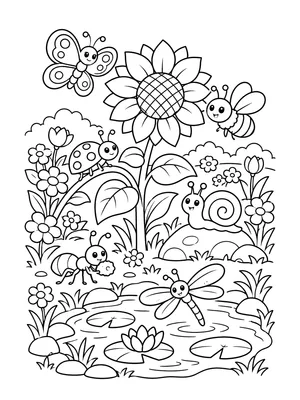 Garden Bug Friends in the Meadow
Detailed · ages 8+
Questions parents ask
How can bug coloring pages support a science lesson?
Pair a page with a real-life look: count a ladybug's legs (six, like all insects), name the three body parts, or compare a snail to an insect. The butterfly life cycle page is a handy visual for teaching the four stages, and kids remember the order better after coloring each stage themselves.
Which garden coloring pages are best for preschoolers?
Choose the pages marked easy, such as the ladybug on a leaf, the bee visiting a daisy or the tulip in a pot. They have one large subject with wide spaces that are easy to fill with chunky crayons, which helps three- to five-year-olds build grip strength without getting frustrated.
What colors should kids use for bugs and flowers?
Real bugs make great color guides: ladybugs are often red or orange with black spots, and bees are yellow and black. Butterflies and flowers come in nearly every color, so they are perfect for experimenting. Encourage kids to look at photos or step outside to see real garden colors first.