Ocean Animal Coloring Pages
These free ocean animal coloring pages bring whales, octopuses, sea turtles, seahorses, dolphins, crabs, and friendly sharks to kids ages 3 to 10. Easy pages show one big smiling sea creature for preschoolers, medium pages add seaweed, waves, and small friends, and detailed scenes like the coral reef challenge older kids. Every page includes a true ocean fun fact. Print at home or school, or color online.
-
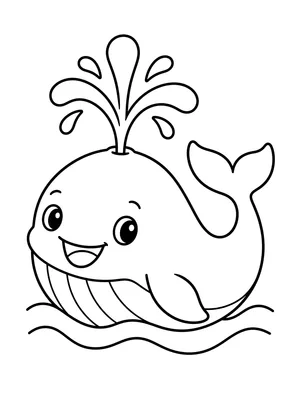 Happy Whale Spouting Water
Easy · ages 3–5
-
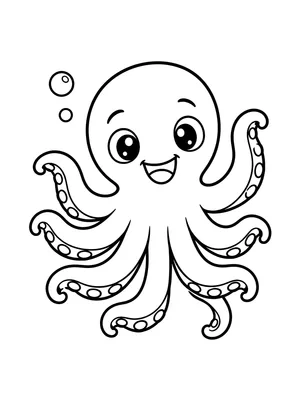 Octopus Waving Hello
Easy · ages 3–5
-
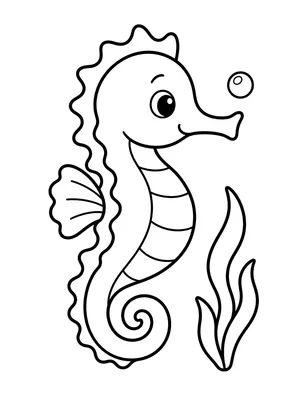 Seahorse with a Curly Tail
Easy · ages 3–5
-
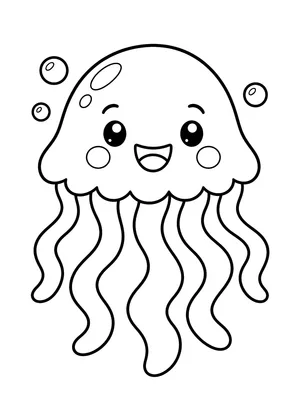 Floating Jellyfish
Easy · ages 3–5
-
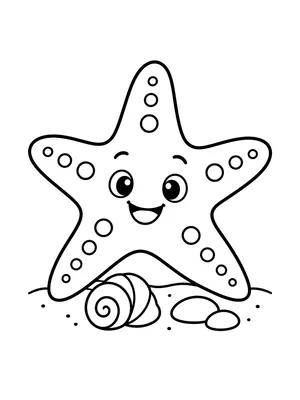 Sea Star on the Sand
Easy · ages 3–5
-
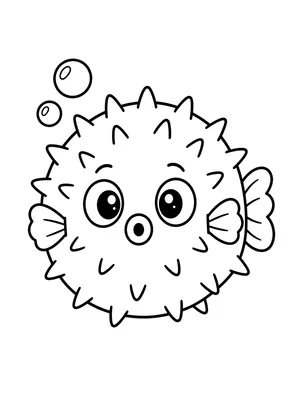 Puffed-Up Pufferfish
Easy · ages 3–5
-
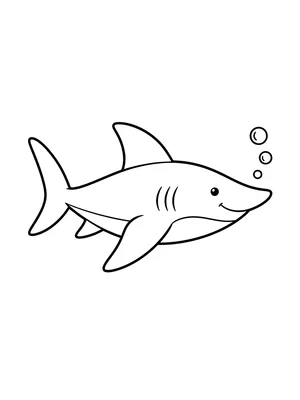 Friendly Shark with a Big Smile
Easy · ages 3–5
-
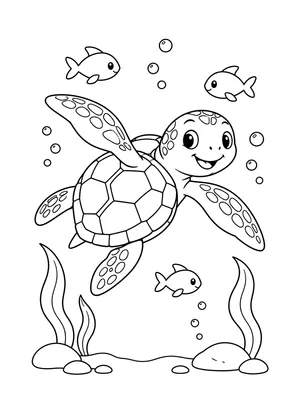 Sea Turtle Gliding Through Seagrass
Medium · ages 5–8
-
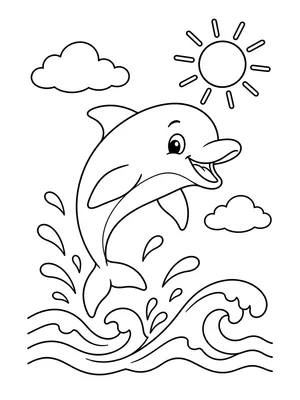 Dolphin Jumping Over Waves
Medium · ages 5–8
-
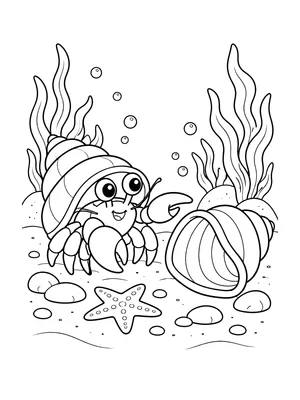 Hermit Crab Trying a New Shell
Medium · ages 5–8
-
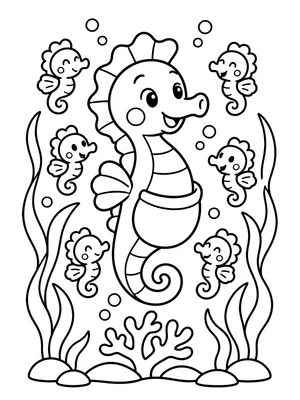 Seahorse Dad and Babies
Medium · ages 5–8
-
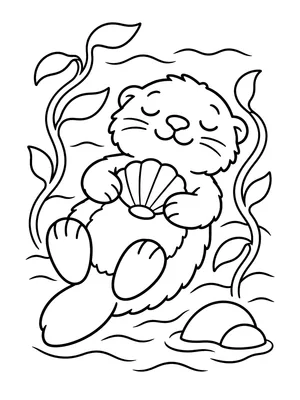 Sea Otter Floating in Kelp
Medium · ages 5–8
-
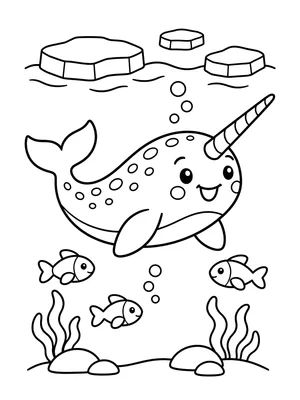 Narwhal in the Arctic Sea
Medium · ages 5–8
-
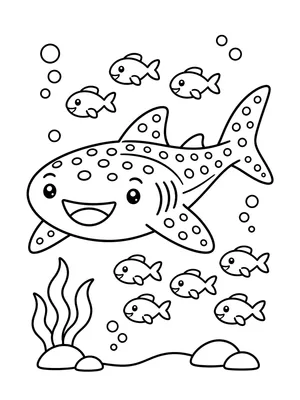 Whale Shark and Little Fish
Medium · ages 5–8
-
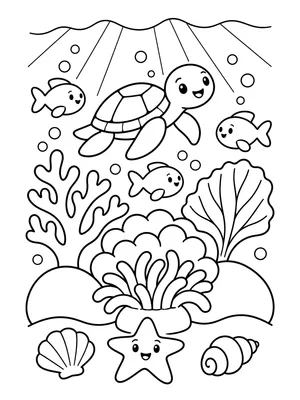 Busy Coral Reef
Detailed · ages 8+
-
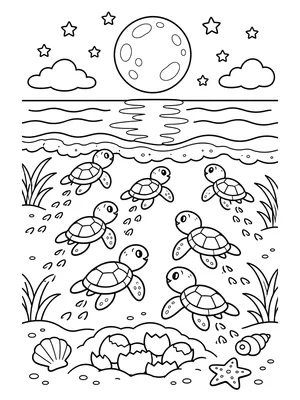 Baby Sea Turtles Heading to Sea
Detailed · ages 8+
-
 Exploring a Tide Pool
Detailed · ages 8+
-
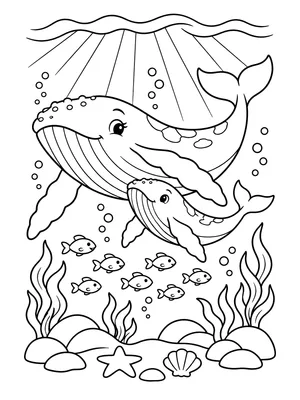 Humpback Whale and Calf
Detailed · ages 8+
Questions parents ask
Which ocean coloring pages are best for preschoolers?
Look for pages marked easy, such as the whale, octopus, crab, and sea star. Each shows one large, smiling animal with almost no background, so kids ages 3 to 5 can fill big areas with crayons. They also support early counting, like the octopus's eight arms or the sea star's five points.
Are the sharks in these pages scary?
Not at all. Every shark is drawn with a gentle closed-mouth smile and kind eyes, and no animal is shown hunting or attacking. The whale shark page even shows the world's biggest fish, which eats tiny plankton. These pages can help kids see sharks as interesting animals rather than something to fear.
How can I use ocean coloring pages in a lesson?
Pair pages with a simple ocean theme: talk about where each animal lives, sort creatures by fins, shells, or arms, and read the fun facts aloud. The tide pool and coral reef scenes work well for discussing habitats. Older kids can label animals on the back or write one sentence about their favorite.