Flower Coloring Pages
These free flower coloring pages let kids ages 3 to 10 color real blooms like sunflowers, tulips, daisies, roses, hibiscus, lotus and king protea, plus bouquets, gardens and cute smiling flower friends. Easy pages show one big flower with simple leaves, medium pages add vases, children and branches, and detailed pages fill the page with fields, markets and gardens. Each page comes with a true plant fact, and you can print it or color online in your browser.
-
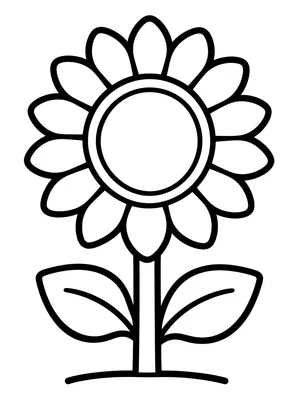 Tall Sunflower with Two Leaves
Easy · ages 3–5
-
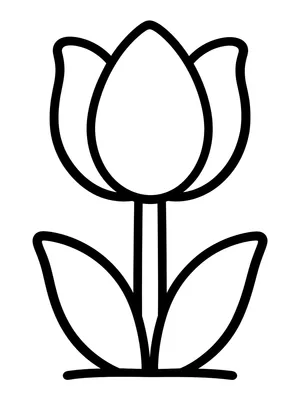 Tulip with Long Leaves
Easy · ages 3–5
-
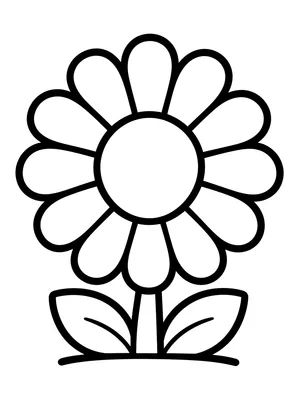 Daisy with Round Petals
Easy · ages 3–5
-
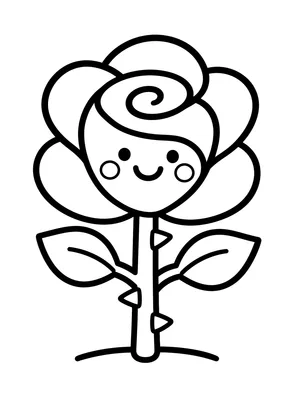 Smiling Rose Flower Friend
Easy · ages 3–5
-
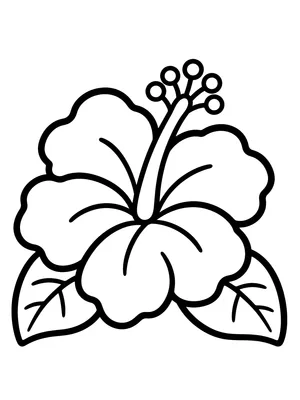 Hibiscus Blossom Close-Up
Easy · ages 3–5
-
 Flowering Cactus in a Pot
Easy · ages 3–5
-
 Dandelion Puff Ball
Easy · ages 3–5
-
 Lotus Flower on a Lily Pad
Medium · ages 5–8
-
 Flower Bouquet in a Glass Vase
Medium · ages 5–8
-
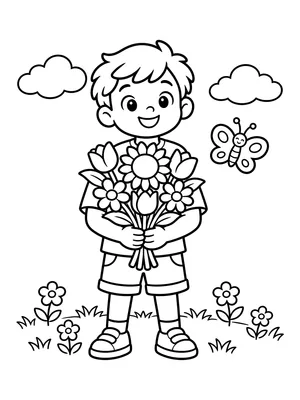 Child Holding a Flower Bouquet
Medium · ages 5–8
-
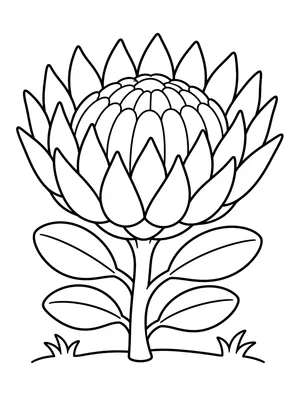 King Protea Flower
Medium · ages 5–8
-
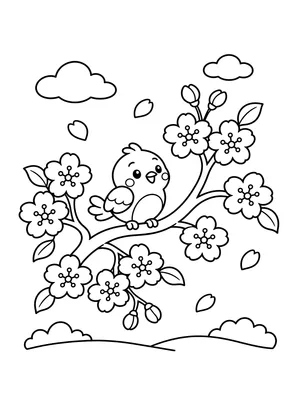 Cherry Blossom Branch
Medium · ages 5–8
-
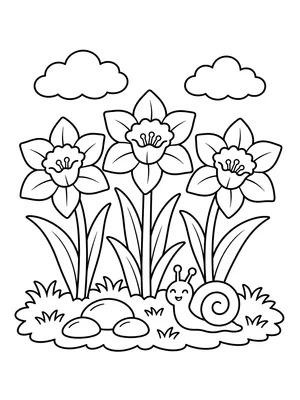 Three Daffodils in Spring Grass
Medium · ages 5–8
-
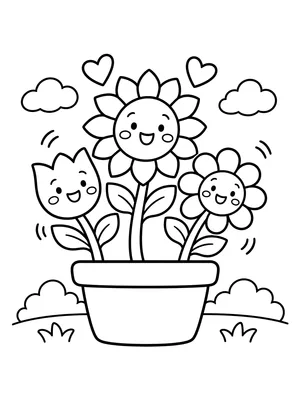 Smiling Flower Friends Dancing
Medium · ages 5–8
-
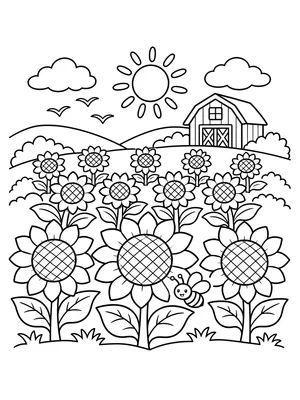 Sunflower Field Under a Sunny Sky
Detailed · ages 8+
-
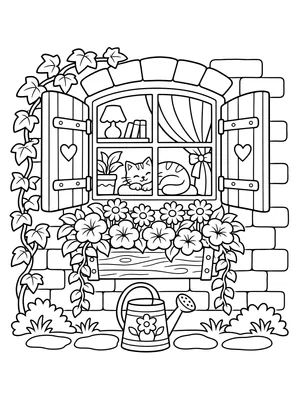 Cottage Window Box Flowers
Detailed · ages 8+
-
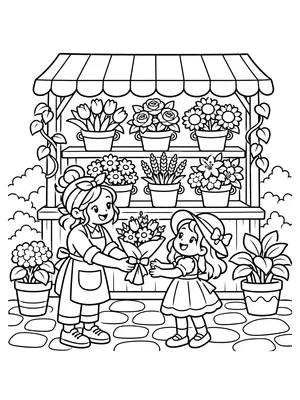 Outdoor Flower Market Stall
Detailed · ages 8+
-
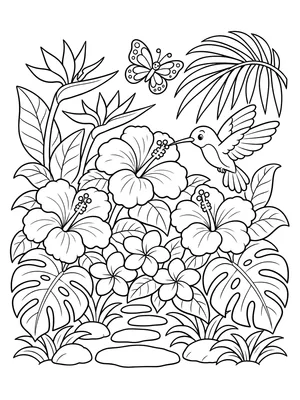 Tropical Flower Garden
Detailed · ages 8+
-
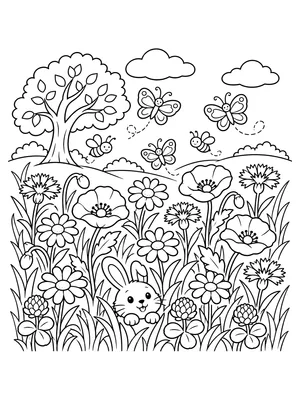 Wildflower Meadow with Butterflies
Detailed · ages 8+
-
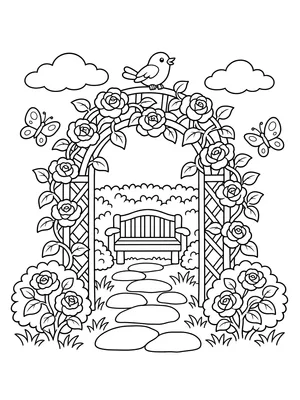 Rose Garden Archway
Detailed · ages 8+
Questions parents ask
Which flower coloring pages are easiest for toddlers and preschoolers?
Pick the pages marked easy, such as the daisy, tulip, sunflower or dandelion. Each one shows a single large flower with thick outlines and almost no background. Chunky crayons work best, and you can name each color together as your child fills in the petals.
How can flower coloring pages be used to teach about plants?
Use a page to point out the parts of a plant: petals, stem, leaves and the center where seeds form. Read the fun fact out loud, then look for the same flower in a garden, park or shop. Older kids can label the plant parts on the back of the page or compare two different flowers.
What colors should kids use for flowers?
Real flowers come in almost every color, so kids can copy nature or invent their own. Looking at real blooms or seed packets is a fun way to pick realistic shades. Using a lighter and darker version of one color on the petals adds depth, and green stems and leaves help the flowers stand out.