Food Coloring Pages
These free food coloring pages fill the table with smiling apples, strawberries, carrots and broccoli, plus pancakes, pizza, cupcakes, a picnic and a teddy bear tea party for kids ages 3 to 10. Fruits and vegetables star in most of the pictures, making the set a gentle way to talk about healthy eating. Easy pages suit preschoolers, and detailed market and kitchen scenes suit older kids. Print or color online.
-
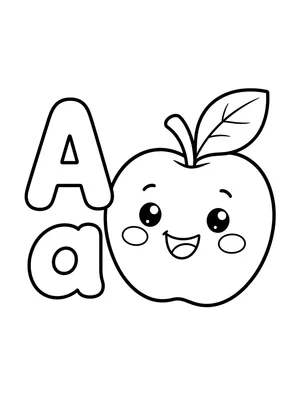
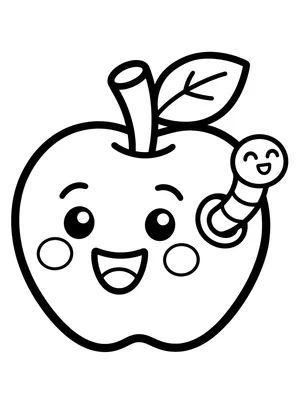 Smiling Apple
Easy · ages 3–5
-
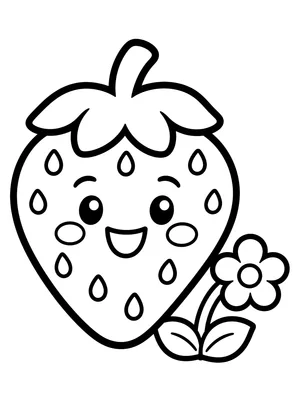 Happy Strawberry
Easy · ages 3–5
-
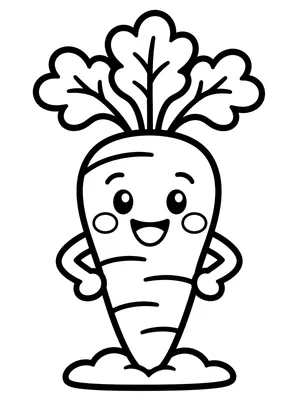 Cheerful Carrot
Easy · ages 3–5
-
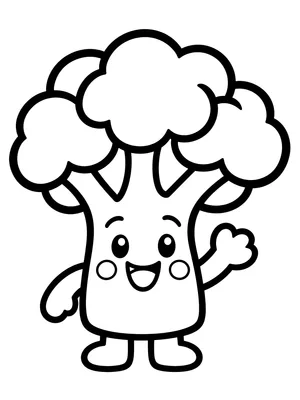 Broccoli Buddy
Easy · ages 3–5
-
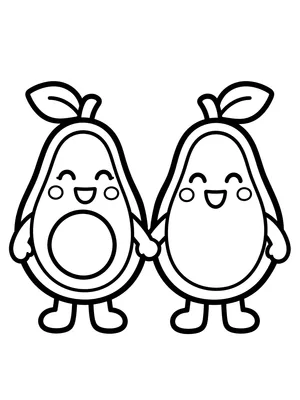 Avocado Halves Holding Hands
Easy · ages 3–5
-
 Frosted Cupcake with Sprinkles
Easy · ages 3–5
-
 Ice Cream Cone with Three Scoops
Easy · ages 3–5
-
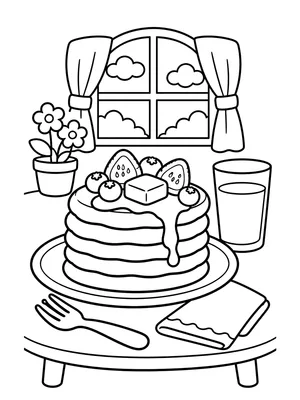 Pancake Stack with Berries
Medium · ages 5–8
-
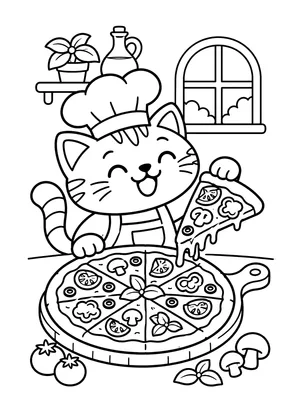 Veggie Pizza Party
Medium · ages 5–8
-
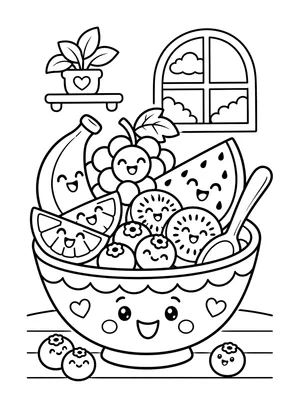 Fruit Salad Bowl Friends
Medium · ages 5–8
-
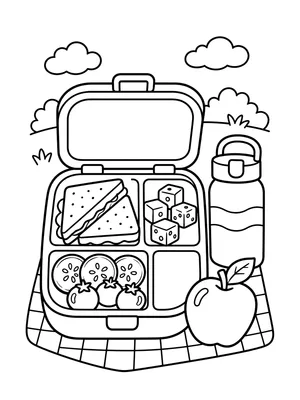 Packed Lunchbox
Medium · ages 5–8
-
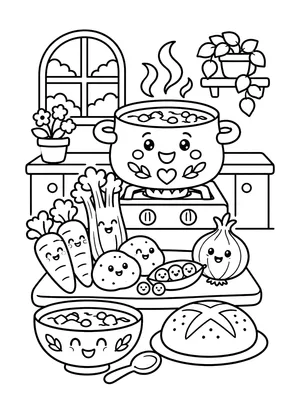 Cozy Pot of Vegetable Soup
Medium · ages 5–8
-
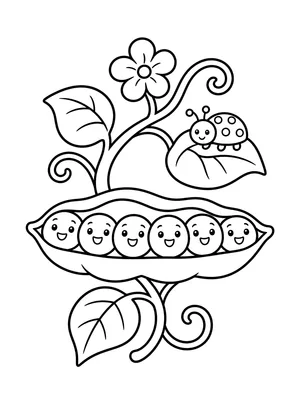 Pea Pod Friends
Medium · ages 5–8
-
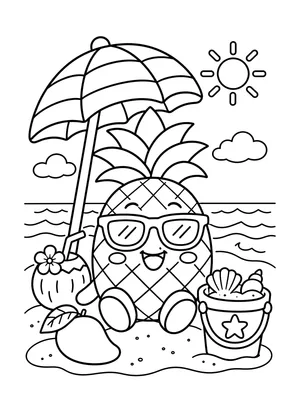 Pineapple at the Beach
Medium · ages 5–8
-
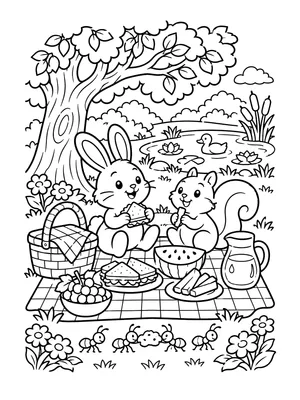 Picnic in the Park
Detailed · ages 8+
-
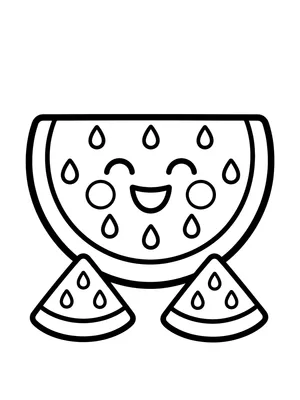 Happy Watermelon Slice
Easy · ages 3–5
-
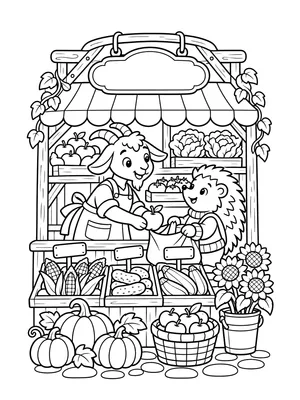 Farmers Market Produce Stand
Detailed · ages 8+
-
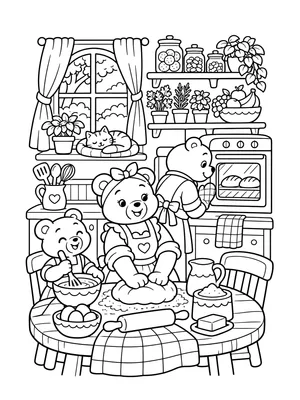 Baking Bread in a Cozy Kitchen
Detailed · ages 8+
Questions parents ask
Can food coloring pages encourage kids to try new fruits and vegetables?
Coloring a friendly broccoli or avocado makes an unfamiliar food feel less strange. Many parents color a page together, then offer a small taste of the real food at snack time. There is no pressure to eat it; simply seeing, touching and talking about the food helps it feel familiar over time.
How do teachers use food pages in the classroom?
Food pages fit lessons on colors, sorting and counting: kids can group fruits by color, count strawberry seeds or sort foods into fruits and vegetables. The farmers market and lunchbox pages also work well for pretend-play centers, where children practice buying, packing and sharing food.
What colors work best for fruit and veggie pages?
Real produce is the best guide, so set out an apple, a banana or a carrot while kids color. Crayons layered lightly can show shading on round fruits, and colored pencils help with small details like strawberry seeds. Kids are also free to invent purple carrots, which actually exist.